A district-wide programme helping newcomers settle well, strengthen social connections, and support long-term community wellbeing in Queenstown Lakes.
The Welcoming Communities workstream is about making sure people who arrive to live, study, or work in Queenstown Lakes can find their feet quickly and feel they belong. That matters in a district shaped by migration and seasonal movement, with more than 40% of residents born overseas. Here, strong social connections and reliable access to services are essential to community resilience, workforce stability, and quality of life.
What Welcoming Communities is working to achieve
Welcoming Communities supports practical settlement and everyday inclusion for newcomers, including migrants, international students, and people relocating within Aotearoa New Zealand. It is part of a central government programme, with 35 councils and five local community boards participating nationwide.
In Queenstown Lakes, the work is guided by the Welcoming Plan 2024-2027, which sets out a three-year pathway of actions and outcomes, several of which are already underway. The focus ranges from making it easier to navigate local services to supporting the wider community to feel confident welcoming, connecting, and engaging across cultures.
A core principle is that inclusion is built into how the district works, not added later. This is reflected in actions that prioritise equitable access to services, inclusive communication, cultural expression, and meaningful opportunities for newcomers to take part in community life and local decision-making.
Building the foundation and showing progress
The first stage of the workstream focused on establishing a clear plan, shared ownership, and credible accountability. The Welcoming Plan was developed with the local community and endorsed by the QLDC Community &Services Committee in September 2024, informed by a stocktake report, two advisory groups, seven hui, engagement across 12 council departments, and consultation with 15 stakeholder organisations. In February 2025, QLDC gained Stage 2 accreditation as an “Established Welcoming Community” under MBIE’s model of accreditation.
Central government provided councils with seed funding during the first three-years of the establishment phase. Resourcing has also been strengthened through partnership funding. A grant from Central Lakes Trust was secured to support implementation of Welcoming Plan-aligned projects from April 2025 to June 2026, including continued work on the Newcomers Guide, implementation of Social English classes, Te Tiriti o Waitangi learning opportunities, Welcoming Week, and targeted programmes that reduce practical barriers for newcomers.
Tangible outputs and measurable outcomes on the ground
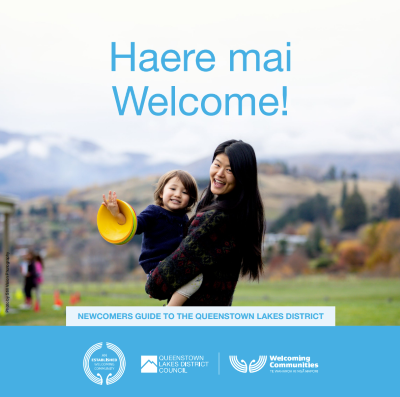
The most visible output has been the Newcomers Guide to the Queenstown Lakes District, designed as a trusted, practical resource to make it easier to live, work, study and participate locally. Between July 2025 and June 2026, 1,464 views of the Newcomers Guide webpage were recorded, and 1,300 printed copies were distributed through a structured plan that included libraries, sport and recreation centres, schools, medical clinics, community organisations, recruitment agencies, Pacific and migrant community groups, and parts of the accommodation sector, alongside promotion of the electronic version and feedback gathering for the next edition. Connection-building and cultural exchange have been delivered through regular community activities, and civic belonging has also been supported through formal moments of welcome, including two citizenship ceremonies in September and November 2025.
Connection-building and cultural exchange have been another visible output with 21 cultural celebrations held across the district within same period, and organised by several Pacific and ethic community organisations as a way of fostering inclusion, understanding, and unity among people from various backgrounds.
The Queenstown Multicultural Festival, in it's fourth edition, is the biggest celebration of cultural diversity in our district with around 3000 persons attending. The annual Festival creates a vibrant and inclusive space where Pacific and ethnic communities can share their cultural identity with pride through food, performance, storytelling, language, arts and traditions.
Strengthening civic belonging has also been supported through formal moments of welcome, including six citizenship ceremonies across the district between July 2025 and June 2026. A total of 574 people were welcomed as new citizens of Aotearoa New Zealand during these ceremonies which help strengthen newcomers’ sense of belonging and identity, marking an important milestone in their settlement journey.
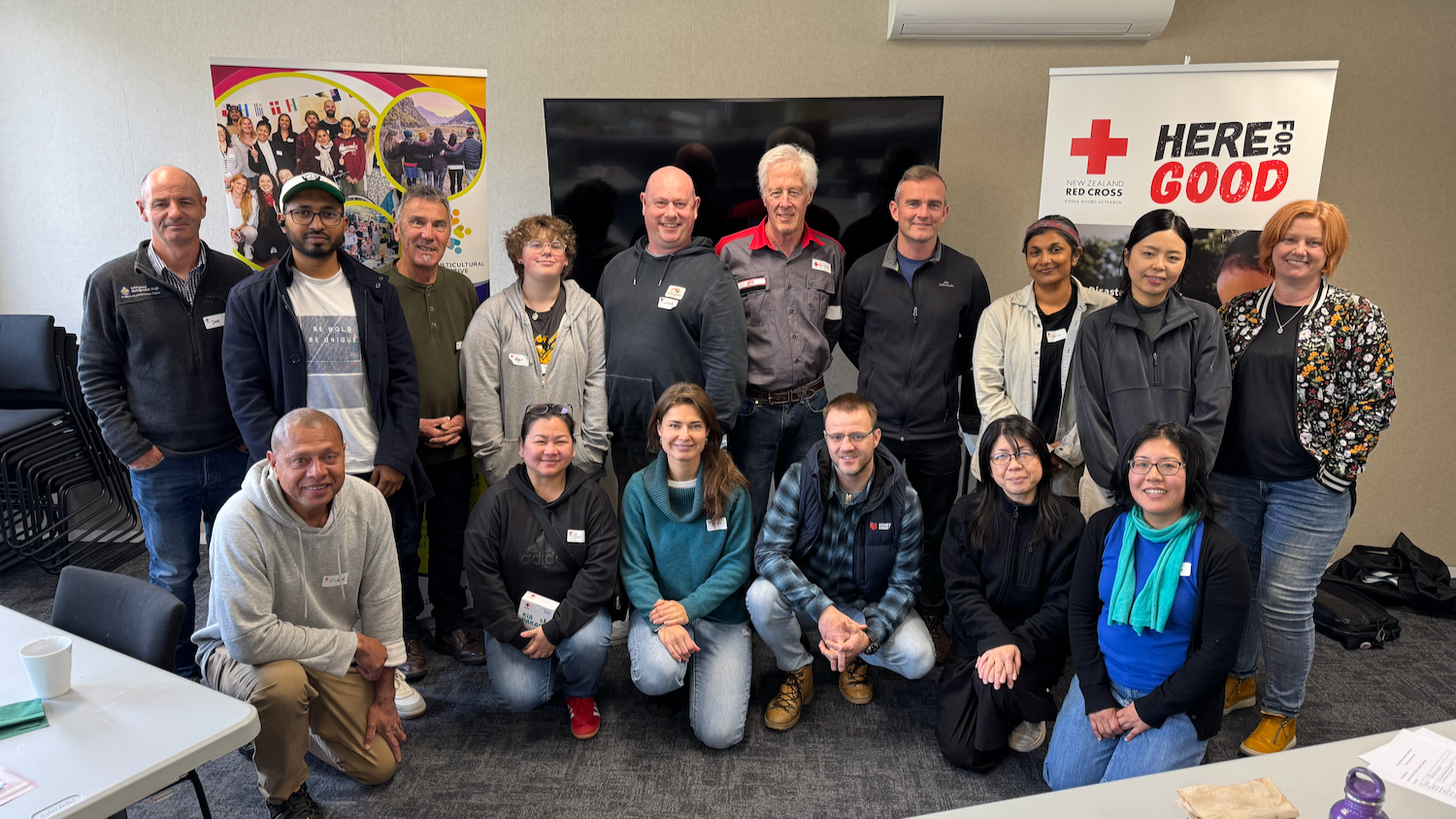
The workstream has also targeted real barriers that can limit participation and safety. First Splash: Swim with Confidence was delivered as a tailored swimming programme for migrant women while community resilience outcomes have been advanced through Good and Ready emergency preparedness sessions delivered by New Zealand Red Cross to help migrant community representatives facilitate preparedness learning within their own communities.
Why this workstream matters for regenerative tourism
Welcoming Communities strengthens the social foundations that help people stay, contribute, and feel connected, including those who support the visitor economy as workers, students, and residents. By linking directly into the Destination Management Plan, it ensures newcomers, including migrants and international students, are represented, while also supporting high-contributing visitors to connect with place, stay longer, and build relationships with locals.
Treating inclusion and settlement as core destination work delivers shared benefits. Newcomers gain clearer pathways into services and community life, and the wider community benefits from stronger networks, better cross-cultural understanding, and greater resilience. This workstream supports the Queenstown Lakes Destination Management Plan, particularly outcomes focused on community wellbeing, visitor experience, and diversity, equity, and inclusion.
Get involved
For readers wanting to support, the most practical starting point is to share and use the Newcomers Guide within workplaces and community networks, and to follow the Welcoming Plan actions and progress made on the QLDC website.


